

Maximizing Profits with Forex Swing Trading Signals
In the world of forex trading, utilizing forex swing trading signals Trading Broker CI swing trading signals can be a game changer for both novice and experienced traders alike. Swing trading allows traders to capitalize on short to medium-term price movements, which often occur after a “swing” or a break in price action. This article will outline the essence of swing trading signals in forex, methodology to understand them, and how to maximize profits effectively, providing essential insights for successful trading.
What are Forex Swing Trading Signals?
Forex swing trading signals are specific indicators that suggest a potential price movement in the market, often based on technical analysis. These signals help traders determine when to enter or exit trades. In contrast to day trading, which emphasizes rapid trades within a single day, swing trading focuses on holding positions from a few days to weeks to exploit expected price movements. Some common indicators used for generating swing trading signals include moving averages, Relative Strength Index (RSI), Bollinger Bands, and Fibonacci retracement levels.
Understanding the Mechanics: How Swing Trading Signals Work
The underlying principle of forex swing trading signals revolves around the identification of price patterns driven by market sentiment. When prices swing either up or down, they tend to establish a pattern—this pattern can indicate potential future movements. Traders analyze the historical price data and use various indicators to spot these patterns, helping them make informed trading decisions. Here, we will dive into the key elements that influence swing trading signals:
- Price Action: The actual movement of the price over time. Observing past price action helps traders gauge potential future movements.
- Volume: Trading volume is crucial as it validates price movements. High volume during a price increase often indicates strong bullish sentiment.
- Market News: Fundamental analysis plays a significant role. Economic news releases can cause unexpected volatility, impacting swing trading signals.
Key Indicators for Swing Trading Signals
When crafting an effective forex swing trading strategy, selecting appropriate indicators is imperative. Below are some of the most widely used indicators:
1. Moving Averages
Moving averages smooth out price data over a specific period, helping identify trends. The two common types are the Simple Moving Average (SMA) and the Exponential Moving Average (EMA). Traders typically use crossovers of moving averages to generate signals: a bullish signal occurs when a shorter moving average crosses above a longer one, indicating an upward price movement.
2. Relative Strength Index (RSI)
The RSI measures the speed and change of price movements, providing insights into overbought or oversold conditions. An RSI above 70 could indicate an overbought situation, while below 30 may suggest an oversold condition. Traders can use these thresholds to time entry and exit points.
3. Bollinger Bands
Bollinger Bands consist of a middle band (SMA) and two outer bands that indicate market volatility. Prices that touch the upper band signify overbought conditions, while those approaching the lower band signal oversold conditions. Bounce strategies can be employed when prices touch the bands.
4. Fibonacci Retracement Levels
This popular tool helps traders identify potential reversal levels by plotting horizontal lines at key Fibonacci levels. By predicting possible retracement levels, traders can establish entry and exit points based on historical support and resistance levels.
Developing a Swing Trading Strategy
To maximize profits from forex swing trading signals, having a cohesive trading strategy is crucial. Below are steps to develop an effective swing trading strategy:
- Set Clear Goals: Define your trading objectives, such as risk tolerance and profit targets. Establishing clear goals will give you a better grounding.
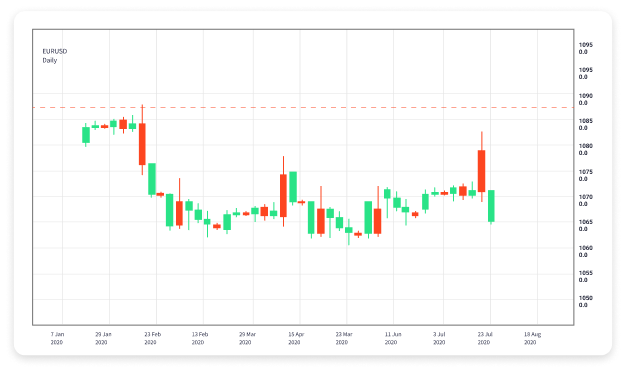
- Choose the Right Currency Pairs: Focus on liquid currency pairs that suit your strategy. Major pairs, like EUR/USD or GBP/USD, are often preferred for swing trading due to their volatility and trading volume.
- Utilize Multiple Indicators: Combine various indicators to validate trading signals. For instance, use RSI in conjunction with moving averages to ensure a stronger signal.
- Implement Risk Management: Set stop-loss orders to mitigate potential losses. Determine the percentage of your trading account you are willing to risk on each trade.
- Stay Informed: Keep abreast of economic news and events that may impact the forex market. Use a calendar for major news releases and updates for strategic planning.
Backtesting Your Strategy
Before you actively trade with any strategy, it is crucial to backtest it against historical data. This process allows you to evaluate the effectiveness of your trading signals and refine your approach. Utilize trading simulators or platforms that allow for historical data testing. Ensure to review your results, analyze different market conditions, and make necessary adjustments to your strategy before going live.
Common Mistakes to Avoid in Swing Trading
As you embark on your swing trading journey, be aware of common pitfalls that can hinder your success:
- Overtrading: Resist the temptation to trade excessively. Stick to your plan and execute trades based on signals, not emotions.
- Neglecting Stop-loss Orders: Failing to use stop-loss orders can lead to significant losses. Always predetermine your exit strategy.
- Ignoring Market Trends: Stay aligned with the overall market trend. Going against the trend can lead to unfavorable outcomes.
- Over-Reliance on Indicators: Indicators are not foolproof. Always consider multiple sources and perform a comprehensive analysis.
Conclusion
In conclusion, forex swing trading signals represent a powerful tool in the arsenal of a forex trader. By understanding the underlying mechanics of these signals and implementing a solid trading strategy, traders can navigate the market more effectively. Crucially, continuous education, practice, and adaptation to market conditions will promote long-term success in the dynamic world of forex trading. Focus on integrating the strategies outlined in this article into your trading routine while avoiding common mistakes, and you will position yourself to maximize your profits in the forex market.