
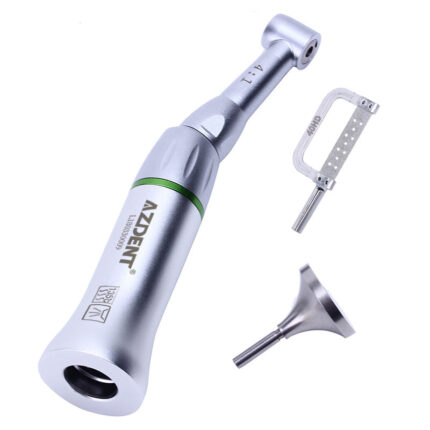
In the realm of dentistry, bridge dental instrument https://dentaprof.com/collection/instruments/crown-and-bridge-instruments/ play a crucial role in restoring functionality and aesthetics to patients with missing teeth. These specialized tools not only facilitate the creation of dental bridges but also ensure that the procedures are carried out with precision and care. Understanding the types of instruments and their uses can significantly enhance the quality of care provided to patients.
What is a Dental Bridge?
A dental bridge is a prosthetic device used to replace one or more missing teeth. It bridges the gap left by the missing teeth and is anchored onto adjacent natural teeth or dental implants. The bridge effectively restores the patient’s ability to chew and speak comfortably while also improving their smile. However, the successful placement and integration of a dental bridge depend significantly on the instruments used during the procedure.
Types of Bridge Dental Instruments
There are various dental instruments specifically designed for the creation, placement, and maintenance of dental bridges. Understanding these instruments can help dental professionals ensure the best outcomes for their patients:
1. Dental Impression Trays
Impression trays are essential for capturing accurate molds of a patient’s teeth and gum structure. They come in different shapes and sizes to accommodate various arch forms. A well-fit impression tray ensures that the dental laboratory receives precise molds for crafting the bridge.
2. Crown and Bridge Scissors
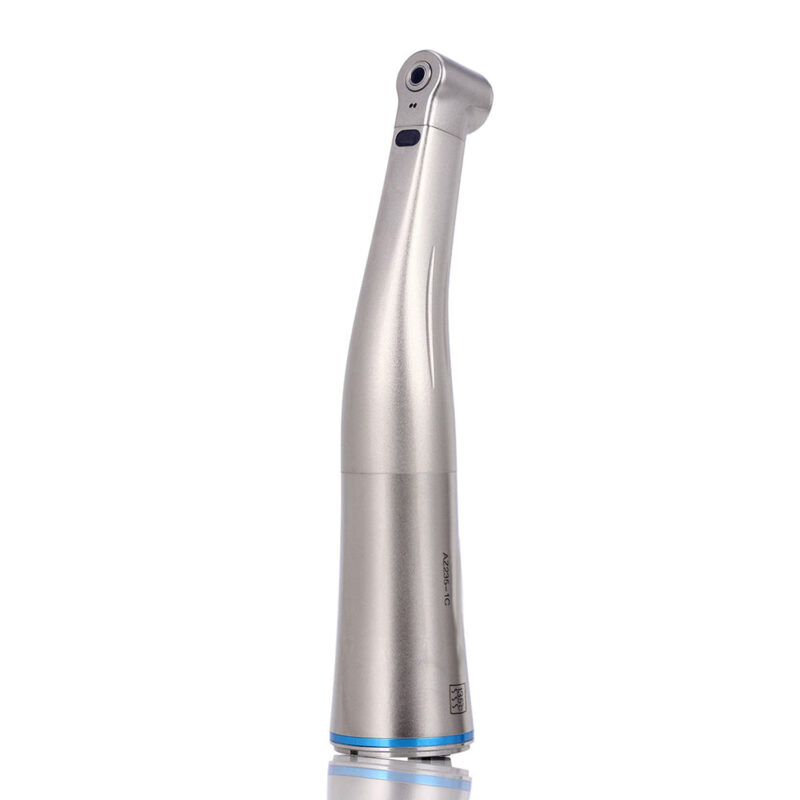
These scissors are specifically designed for trimming and adjusting dental materials used in bridge fabrication. Their fine tips allow for intricate work, ensuring that the bridge material is shaped correctly for a snug fit.
3. Hand Instruments
Various hand instruments, such as carvers, periodontal probes, and burnishers, are vital in shaping and adjusting the dental bridge. They allow dentists to refine the appearance and fit of the bridge, ensuring that it meets both functional and aesthetic requirements.
4. Cement Applicators
Cement applicators are used for the precise application of dental cement, which secures the bridge in place. The correct application of the cement is crucial for the longevity and stability of the bridge, making this instrument important during the final placement.
The Role of Technology in Bridge Dental Instruments
Advancements in dental technology have significantly impacted the development of bridge dental instruments. CAD/CAM (Computer-Aided Design and Computer-Aided Manufacturing) systems have revolutionized the way dental bridges are created. These systems allow for highly accurate digital impressions and the fabrication of custom bridges with minimal manual intervention. With the use of 3D printing technology, dental professionals can produce high-quality bridges in a fraction of the time compared to traditional methods.
Choosing the Right Instruments
For dental professionals, selecting the right bridge instruments is essential for optimizing patient outcomes. Factors to consider include:
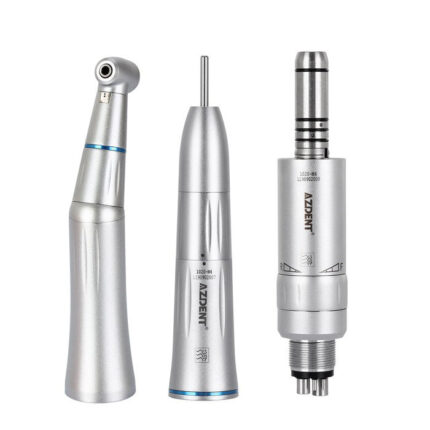
- Quality: High-quality instruments will endure repeated use and provide more consistent results.
- Ergonomics: Instruments designed with ergonomics in mind help reduce fatigue for the dentist, allowing for better precision during procedures.
- Functionality: Multi-purpose instruments can be beneficial in streamlining the workflow of dental procedures.
Training and Expertise in Using Bridge Dental Instruments
While the instruments themselves are crucial, the skill and knowledge of the dental professional using them are equally important. Dentists and dental hygienists should receive comprehensive training on the proper use of bridge dental instruments to ensure the best results for their patients. Continuous education in new techniques and tools is also essential as dental technology evolves.
Common Challenges in Using Bridge Dental Instruments
Even with the best instruments, dental professionals may face challenges during procedures:
- Patient Anxiety: Many patients fear dental procedures, which can complicate the situation. Creating a calm environment and clear communication can help alleviate these concerns.
- Complex Cases: Some cases may involve intricate anatomy, requiring more advanced techniques and instruments.
- Material Compatibility: Ensuring that the materials used for the bridge are compatible with the instruments and the patient’s dental health is crucial.
Conclusion
The importance of bridge dental instruments in modern dentistry cannot be overstated. They not only facilitate the process of restoring smiles but also significantly enhance the quality of life for many patients. Understanding the different types of instruments and their applications allows dental professionals to provide top-notch care. As technology continues to advance, the tools at the disposal of dentists will only improve, leading to better patient outcomes and satisfaction.