
The psychology behind why we gamble understanding the mind's risk factors
The Allure of Gambling
Gambling possesses an inherent allure that captivates millions around the world. This attraction can largely be attributed to the excitement and thrill associated with taking risks. When individuals engage in gambling activities, whether it’s playing a slot machine or betting on a sports event, they experience a rush of adrenaline that can be profoundly exhilarating. This emotional high can lead to a temporary escape from reality, allowing individuals to forget about their day-to-day stresses and immerse themselves in a world filled with potential rewards. For those looking for the best online pokies australia, exploring various platforms can enhance the experience even further.
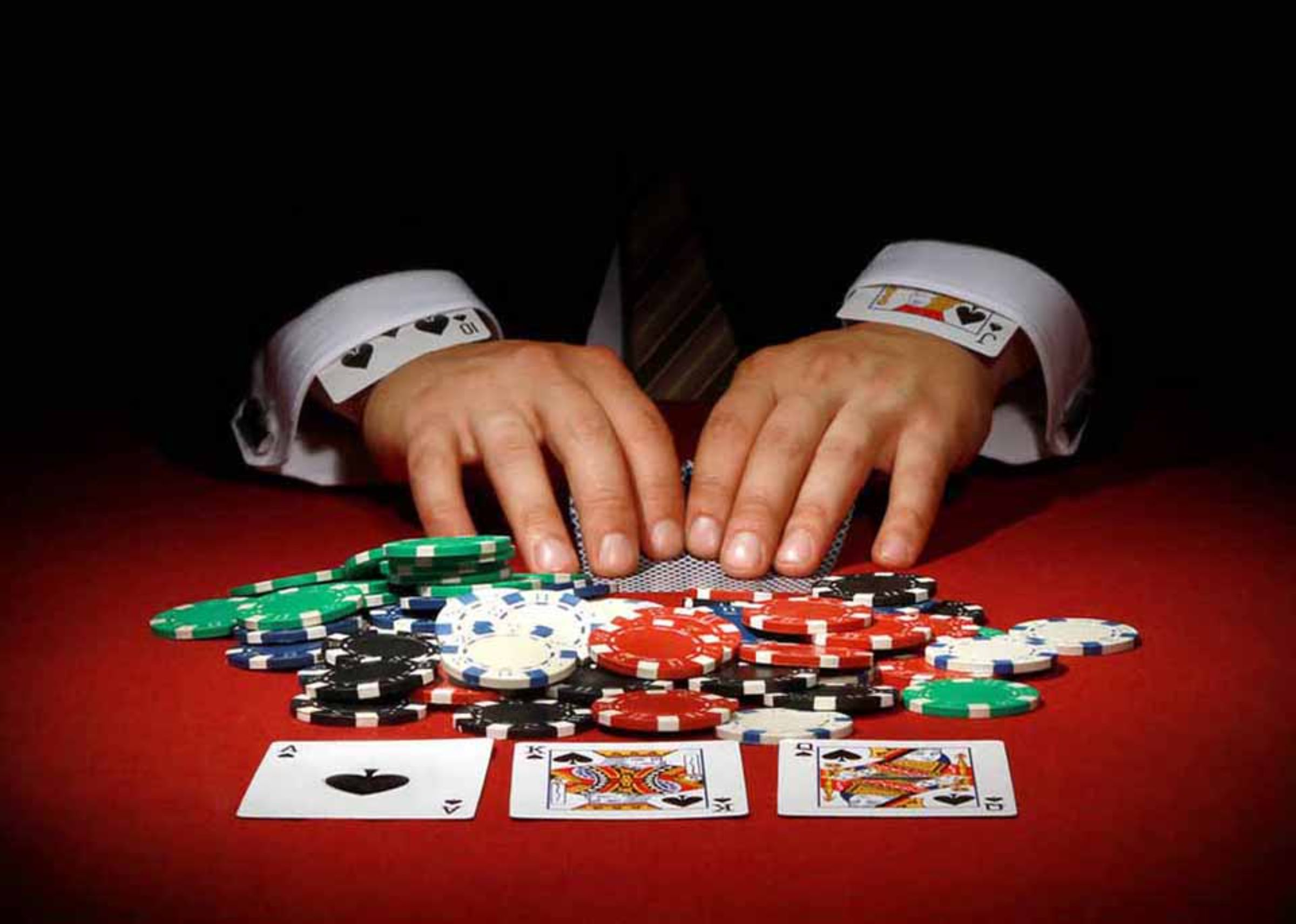
Moreover, the prospect of winning large sums of money further fuels the desire to gamble. The psychological phenomenon known as the “near-miss effect” can also play a role here. When players come close to winning, their brain releases dopamine, creating a sense of excitement and hope. This chemical reaction reinforces their behavior, making them more likely to return and try their luck again, despite the odds often being against them.
Additionally, the social environment of gambling venues enhances this attraction. Casinos and betting shops are designed to create an enticing atmosphere where people can enjoy the company of others while pursuing their luck. This communal aspect can magnify the thrill, encouraging individuals to take bigger risks as they feed off the energy and excitement around them. Thus, the interplay of emotional highs and social dynamics forms a compelling reason for individuals to gamble.
The Role of Cognitive Biases
Cognitive biases significantly influence gambling behavior, often leading individuals to make irrational decisions. One common bias is the illusion of control, where gamblers believe they can influence the outcome of games of chance. For instance, players may feel that their skill can determine the results in games like poker, even though luck plays a crucial role. This misconception can lead to overconfidence and an increased willingness to take risks, propelling individuals deeper into gambling.
Another bias is the gambler’s fallacy, which is the belief that past outcomes can influence future results. For example, someone might think that a losing streak in roulette means a win is “due” to occur soon. This misjudgment can result in continued gambling, as players chase their losses with the hope of a change in luck. Cognitive biases essentially warp the rational decision-making process, driving individuals to gamble despite a lack of logical reasoning.
Furthermore, reinforcement schedules contribute to the persistence of gambling. The unpredictable nature of wins can create a strong feedback loop. When players win sporadically, they are rewarded just enough to keep them coming back. This intermittent reinforcement is similar to what is found in other behavioral addictions, making it difficult for individuals to break free from the cycle of gambling, even when they recognize the negative consequences associated with their actions.
Emotional Triggers and Gambling
Emotions play a pivotal role in gambling behavior, often serving as the driving force behind an individual’s decision to gamble. Many individuals turn to gambling as a means of coping with stress, anxiety, or depression. In these instances, gambling becomes an outlet for emotional relief, providing a temporary distraction from life’s challenges. The immersive experience offered by casinos or online gambling platforms can create a sense of control and escapism that people crave when feeling overwhelmed.
Moreover, the excitement of gambling can evoke powerful feelings of elation, leading individuals to seek out this emotional high repeatedly. This cyclical relationship between mood and gambling can lead to compulsive behaviors, where individuals gamble not only to win but to relive those exhilarating emotions. For some, the act of gambling becomes a way to chase feelings of happiness or fulfillment, creating a dangerous cycle that can have detrimental effects on their mental health and well-being.
The interplay of negative and positive emotions can further complicate this relationship. Some individuals may experience guilt and shame after losing money, which can prompt them to gamble again in a bid to reclaim their losses. This emotional turbulence can trap individuals in a repetitive cycle of gambling, making it difficult to recognize the need for help or change. Recognizing these emotional triggers is essential for understanding the psychology behind gambling and addressing the issue effectively.
Risk Factors and Vulnerable Populations
Various risk factors contribute to the likelihood of an individual developing gambling problems. One significant factor is age; younger individuals, particularly those in their late teens to early twenties, are often more susceptible to risky behavior, including gambling. This demographic may be influenced by peer pressure, a desire for social acceptance, or simply the thrill of breaking the rules, making them more likely to engage in gambling activities.
Socioeconomic status can also influence gambling behavior. Individuals from lower-income backgrounds may be drawn to gambling as a way to escape financial difficulties or improve their situation. Unfortunately, the lure of easy money can lead to disastrous financial consequences, exacerbating existing challenges rather than alleviating them. In these situations, gambling can quickly transition from a harmless pastime to a compulsive behavior with serious repercussions.
Lastly, mental health conditions, such as anxiety and depression, can significantly increase the risk of problem gambling. Individuals facing these challenges may turn to gambling as a coping mechanism, inadvertently placing themselves at greater risk for addiction. Understanding these various risk factors is vital for developing targeted interventions and support systems to help those in need and prevent gambling-related harms.

Exploring Solutions and Support
Addressing the complex psychology behind gambling requires a multifaceted approach that combines awareness, education, and support. Promoting responsible gambling practices is essential to mitigate the risks associated with gambling. Individuals must be educated on recognizing the signs of problematic gambling and encouraged to set limits on their activities. By cultivating awareness, people can make informed decisions and avoid falling into the traps set by cognitive biases and emotional triggers.
Support systems are also crucial for those struggling with gambling addiction. Counseling and therapy options, including cognitive-behavioral therapy, can help individuals understand their behaviors and emotions related to gambling. Support groups, such as Gamblers Anonymous, offer community and shared experiences that can empower individuals to seek recovery and rebuild their lives. By providing resources and fostering open discussions about gambling, society can begin to address the stigma surrounding addiction and create a more supportive environment.
Ultimately, online gambling platforms and casinos can play an essential role in promoting responsible gambling behavior. By implementing features that allow users to track their spending, set limits, and receive notifications, these platforms can help mitigate the risks associated with gambling. Creating a safe and responsible gaming environment should be a priority for both operators and players alike, paving the way for a healthier relationship with gambling.